
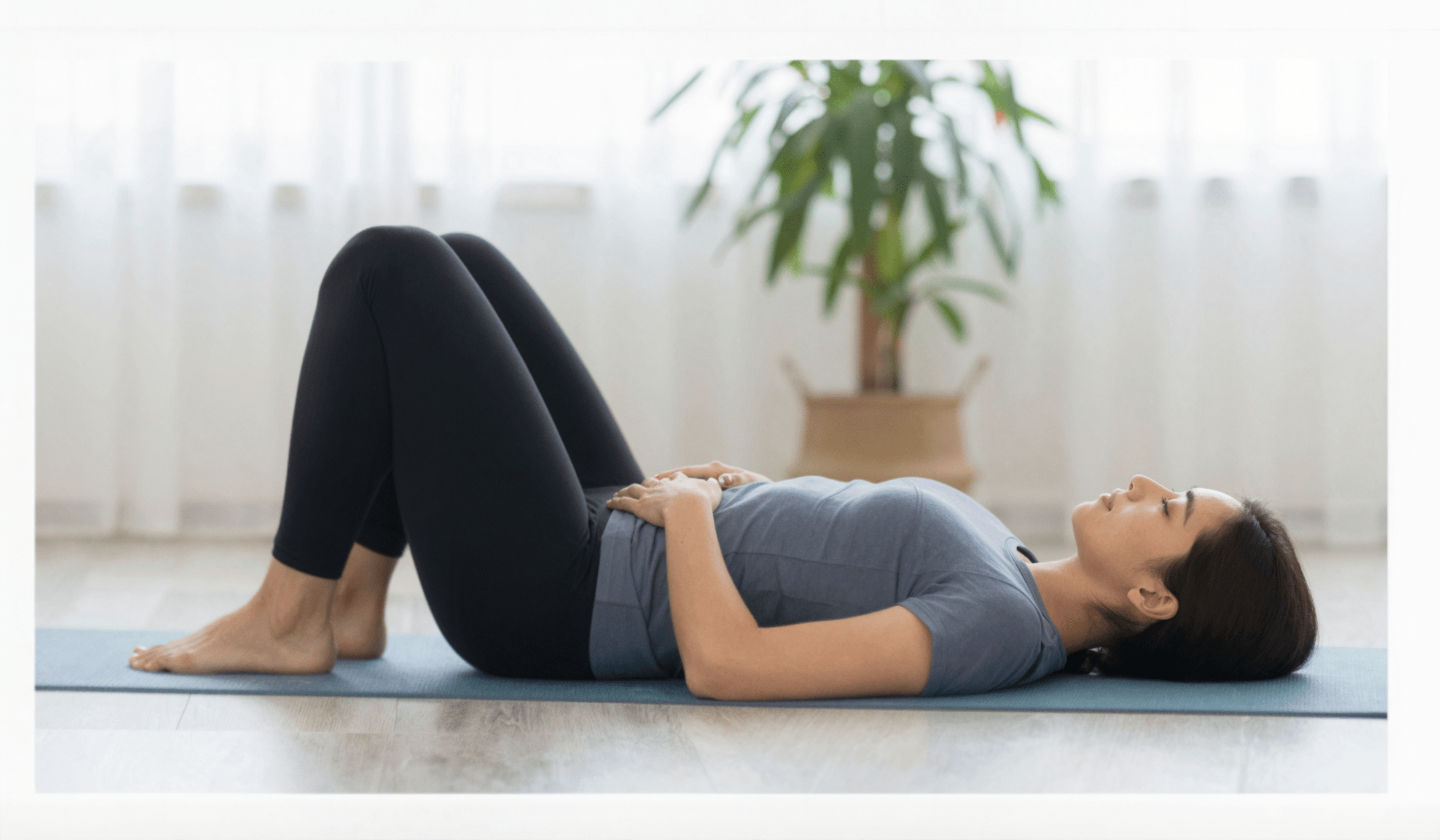
What Are Pelvic Floor Exercises?
Your pelvic floor is a bowl-shaped group of muscles and ligaments that sits at the base of your pelvis. These muscles support your bladder, uterus (women), prostate (men), bowel, and rectum. Think of them as a trampoline that holds everything in place.
When these muscles weaken (from pregnancy, childbirth, aging, prostate surgery, constipation, or even chronic coughing), you can experience leaks, pelvic pain, or reduced sexual satisfaction. The good news? Pelvic floor exercises — especially Kegels — are the #1 non-invasive way to fix it.
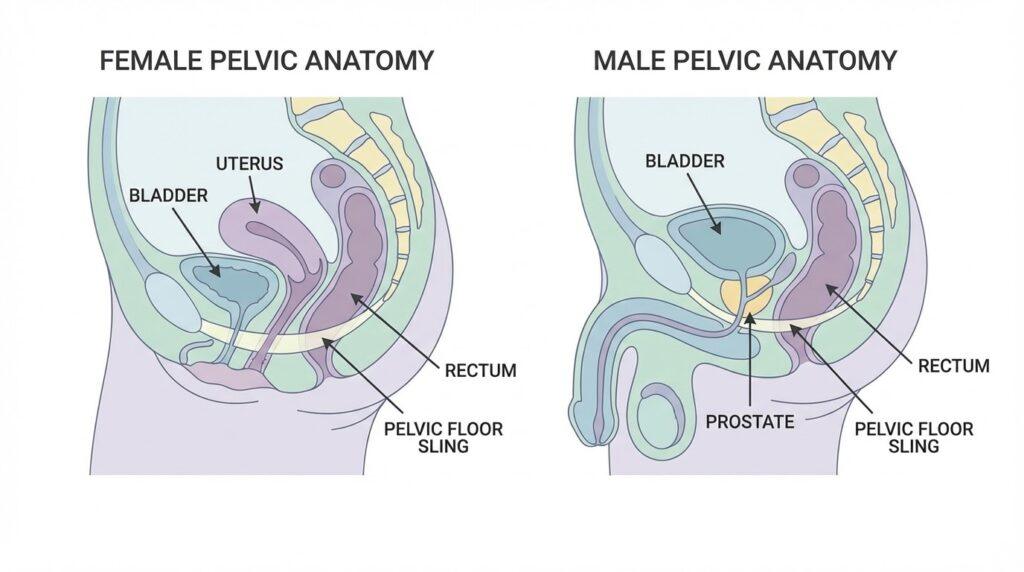
Why Your Pelvic Floor Matters (and Who Needs These Exercises)
Strong pelvic floor muscles:
- Prevent or reduce urinary and fecal incontinence
- Improve bladder and bowel control
- Enhance sexual function and orgasms (both women & men)
- Speed up postpartum recovery
- Support core stability and reduce lower-back pain
- Help after prostate surgery
Best for: Pregnant women, new moms, women in menopause, men after prostate surgery, anyone with leaks when laughing/sneezing/coughing, or anyone over 40.
5 Benefits of Pelvic Floor Exercises (Backed by Science)
- Up to 70% improvement in stress incontinence (Mayo Clinic)
- Better sexual satisfaction for both partners
- Faster recovery after vaginal birth
- Stronger core without crunches
- Reduced pelvic organ prolapse risk
How to Find Your Pelvic Floor Muscles (30-Second Test)
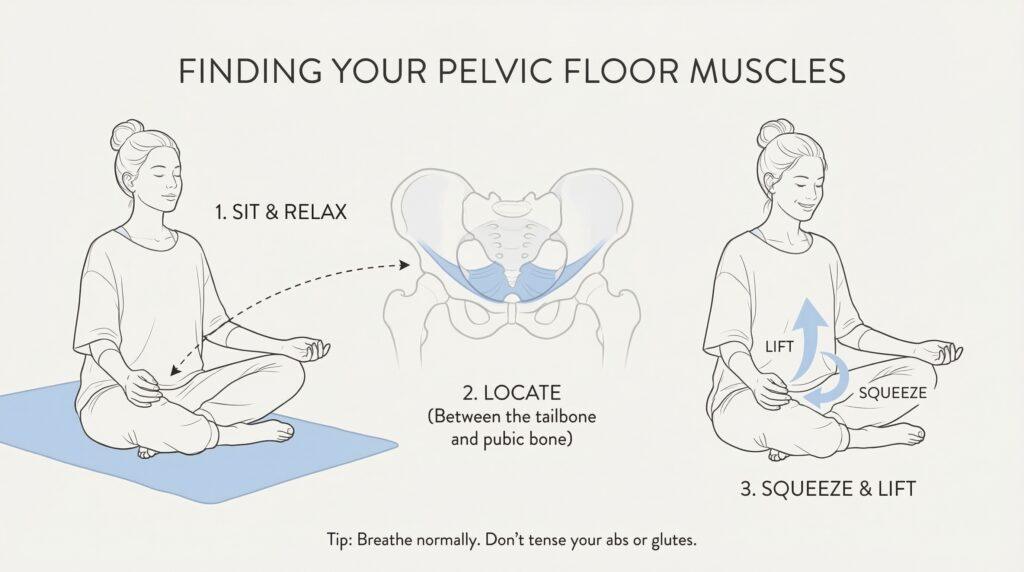
- Sit or lie comfortably.
- Imagine stopping the flow of urine mid-stream or stopping wind — that’s your pelvic floor!
- Women: Insert a clean finger into the vagina and squeeze — you should feel a gentle lift and squeeze.
- Men: Feel the base of your penis and scrotum lift slightly.
Pro tip: Never actually stop urine flow regularly — it can cause UTIs.
Step-by-Step Pelvic Floor Exercises (Do These Daily)
Basic Kegels (The Foundation)
- Squeeze and lift as if stopping wind + urine.
- Hold 5–10 seconds (start with 3 if hard).
- Relax fully for 5 seconds. 10 repetitions.
Quick Flicks (Speed & Power)
- Squeeze quickly for 1 second, then release.
- 10 fast repetitions.
Do both 3 times a day (morning, afternoon, night). Total time: 5 minutes.
Bridge Pose (Bonus Core Strengthener)
Lie on back, knees bent, feet flat. Squeeze pelvic floor as you lift hips. Hold 5 seconds. Lower. 10 reps.
Deep Breathing + Pelvic Floor (Best for Beginners)
Lie down. Inhale deeply (belly rises), exhale and gently lift pelvic floor. 10 breaths.
Here is a quick video for your reference showing how to do combine and do these 3 exercises:
Common Mistakes That Waste Your Time
- Squeezing butt, thighs, or stomach instead of pelvic floor
- Holding your breath
- Doing Kegels only while peeing
- Forgetting to fully relax between reps
How Often Should You Do Pelvic Floor Exercises?
- 3 sets per day (10 long + 10 quick)
- Make it a habit: do them while brushing teeth, waiting at red lights, or watching TV
- Results in 4–12 weeks with consistency
- Keep doing them for life — just like brushing your teeth!
When to See a Pelvic Floor Therapist
If after 8 weeks you see no improvement, or you have pain, prolapse, or severe leaks — book a specialist. They use biofeedback, internal exams, and custom plans (often covered by insurance).
Final Thoughts
Pelvic floor exercises are free, take 5 minutes a day, and can literally change your quality of life. Whether you’re 25 or 65, male or female — your body will thank you.
Ready to start? Save this post, set 3 daily reminders, and tag us in your progress stories!
Featured image: Pelvic Floor Exercises license it from Adobe Stock.
💡 Want 70+ Exercise Images Like My Hero Image?
Get my complete Wellness Exercise Image Pack (Kegels, yoga poses & more) on Etsy — perfect for bloggers, coaches & PTs.
Shop the Pack on Etsy →Can men do pelvic floor exercises?
Yes! They help after prostate surgery and improve control + sexual function.
How long until I see results?
Most people notice fewer leaks in 4–6 weeks; full strength in 3 months.
Are Kegels safe during pregnancy?
Yes — and highly recommended. Check with your doctor.
Leave a Reply